
Sketching: Tips and Techniques for Artists
Drawing and sketching are the everyday practice behind concept art. This guide covers the basics of sketching: why it matters, which supplies to use, and how to build a habit that lasts. The techniques are general and suitable for beginners.
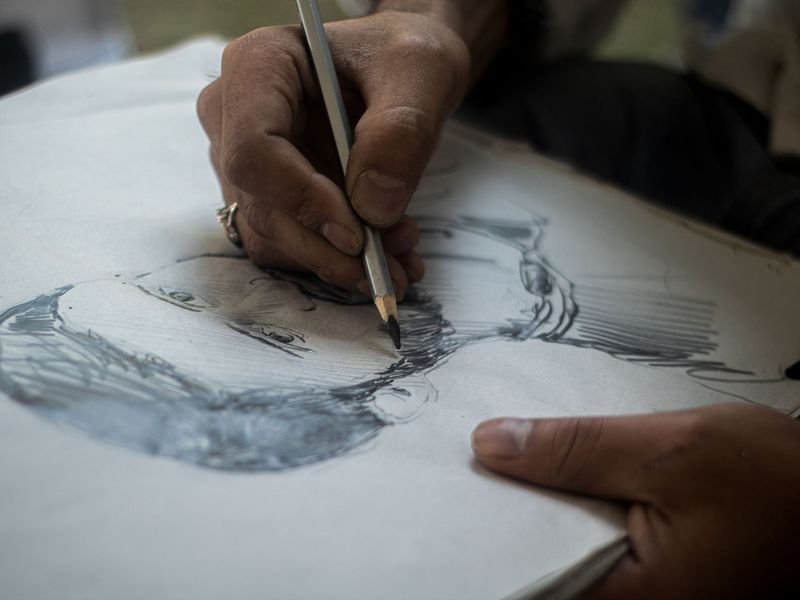
Gesture warm-up
Two-minute lines that capture movement.
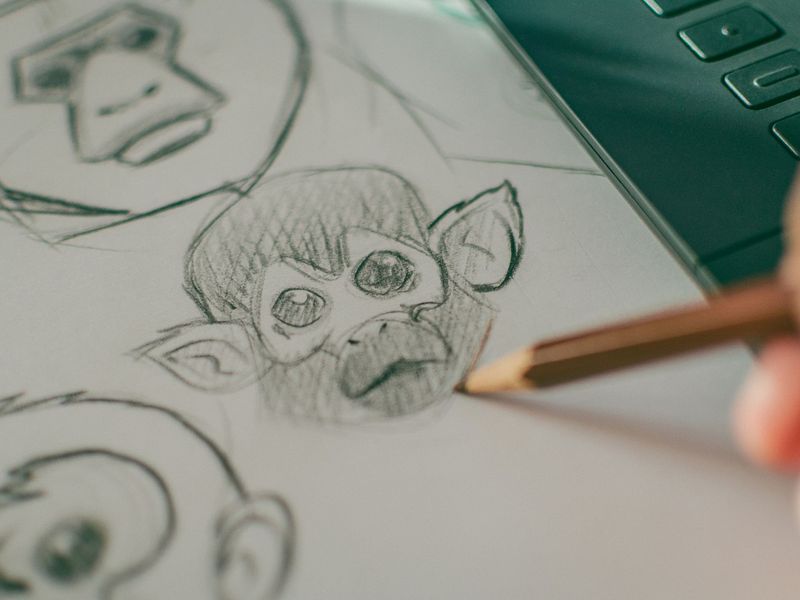
Pencil grades
How hard and soft leads change a drawing.

Street corners
Quick notes from a public viewpoint.

Paper and wash
Simple tone on a small tray of color.

Layout tools
Keep color and tools organized on the desk.
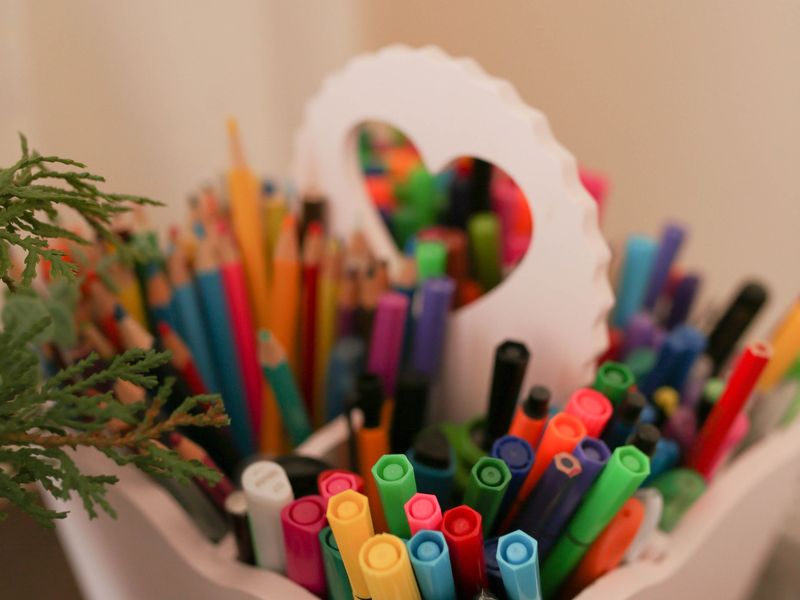
Daily page
One small study to keep the habit going.


Why Sketching Matters for Artists
Sketching is the fastest way to test an idea. A small drawing takes minutes, so you can explore many options before committing to one. It trains observation, because you have to look at shapes, proportion, and weight to get them right on paper. For concept artists, sketching is the start of nearly every design: thumbnails explore silhouettes and compositions, and rough studies explore mood. Regular sketching also builds confidence, since you learn that a weak drawing is a step rather than a verdict.
Essential Sketching Supplies
You can begin with very little. A graphite pencil in a medium grade, a soft eraser, and a sketchbook with paper that takes graphite without tearing is enough. Add a range of pencils for tone, such as a harder one for light lines and a softer one for dark shadows. A small sharpener or a craft knife keeps the points consistent. Urban sketchers often add a waterproof pen. Choose materials for the way you draw, and replace them only when they stop helping you.
Sketching Techniques for Beginners
Start with gesture: a few quick lines that capture the main movement of a subject before any detail appears. Then block in simple shapes, such as cylinders, boxes, and spheres, to establish form. Keep your lines loose at the start and tighten them later. Use hatching, cross-hatching, and blending to build value. Work from large shapes to small details, and check the drawing by squinting, which shows the pattern of light and dark more clearly than close inspection does.
Urban Sketching: Capturing the World Around You
Urban sketching means drawing real places in public, usually in a short session. The main challenge is time, so you learn to simplify. Choose a viewpoint with a clear structure, such as a street corner or a doorway, and sketch the largest shapes first. Record a few details that make the place recognizable. Do not worry about finishing; a quick page of notes can teach as much as a polished drawing. Respect privacy and avoid sketching people in ways that would embarrass them.
Architectural Sketching: Precision and Perspective
Architectural sketches depend on perspective. A simple grid helps set the horizon line and the vanishing points before you draw a building. Measure proportions by comparing the height of one element against another. Light simplifies the form: draw the main planes first, then the windows, doorways, and ornaments. These skills carry directly into environment design, where buildings and terrain must share one consistent viewpoint.
Developing a Daily Sketching Habit
A short daily session is more useful than an occasional long one. Pick a fixed time and a small goal, such as ten minutes of gesture drawing or one page of thumbnails. Keep the sketchbook where you will see it. Review older pages every few weeks to notice your progress. Missing a day is normal; the aim is to return the next day without judging the gap.
Frequently asked questions
What is the best pencil for sketching?
There is no single best pencil. A graphite pencil in a medium grade covers general lines, and a softer grade is useful for shading. Try a few grades and keep the ones that suit your paper and your hand.
How often should I practice sketching?
Short sessions most days work better than one long session a week. Even ten focused minutes build observation and control over time.
Can I learn sketching without formal training?
Yes. Many artists learn through observation, practice, and feedback from other people. A class can speed things up, but regular sketching from life and from reference is enough to make steady progress.